

Introduction to wetland biodiversity
Biodiversity is the variety of life on Earth; different animals and plants live in different ecosystems. Wetlands are crucial for the Earth’s health, as they support biodiversity, regulate water cycles, and filter pollutants.
Natives that we plant at our wetlands include kōwhai, coprosma, Olearia lineata, cabbage trees, flax, and heaps, heaps more. These plants help us provide habitats for native birds and insects down at the wetlands. These plants provide food and shelter for native critters, encouraging them to thrive in the area.
By protecting our wetlands, we ensure that biodiversity thrives and ecosystems stay healthy for future generations.
Authors: Maddie and Lani (Year 7)
JUMP TO
PLANTS / INVERTEBRATES / BIRDS
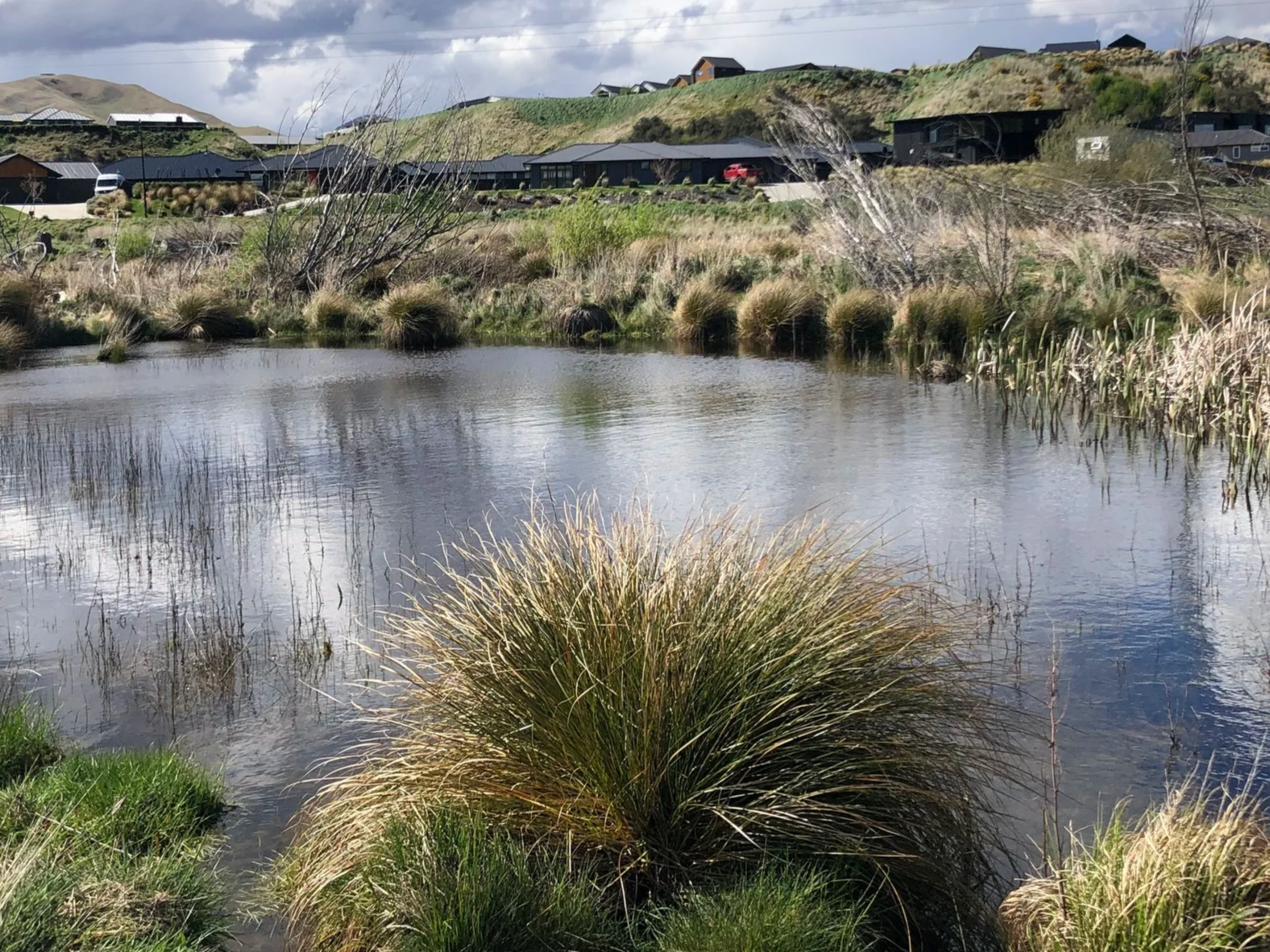
Plants of Shotover Wetland
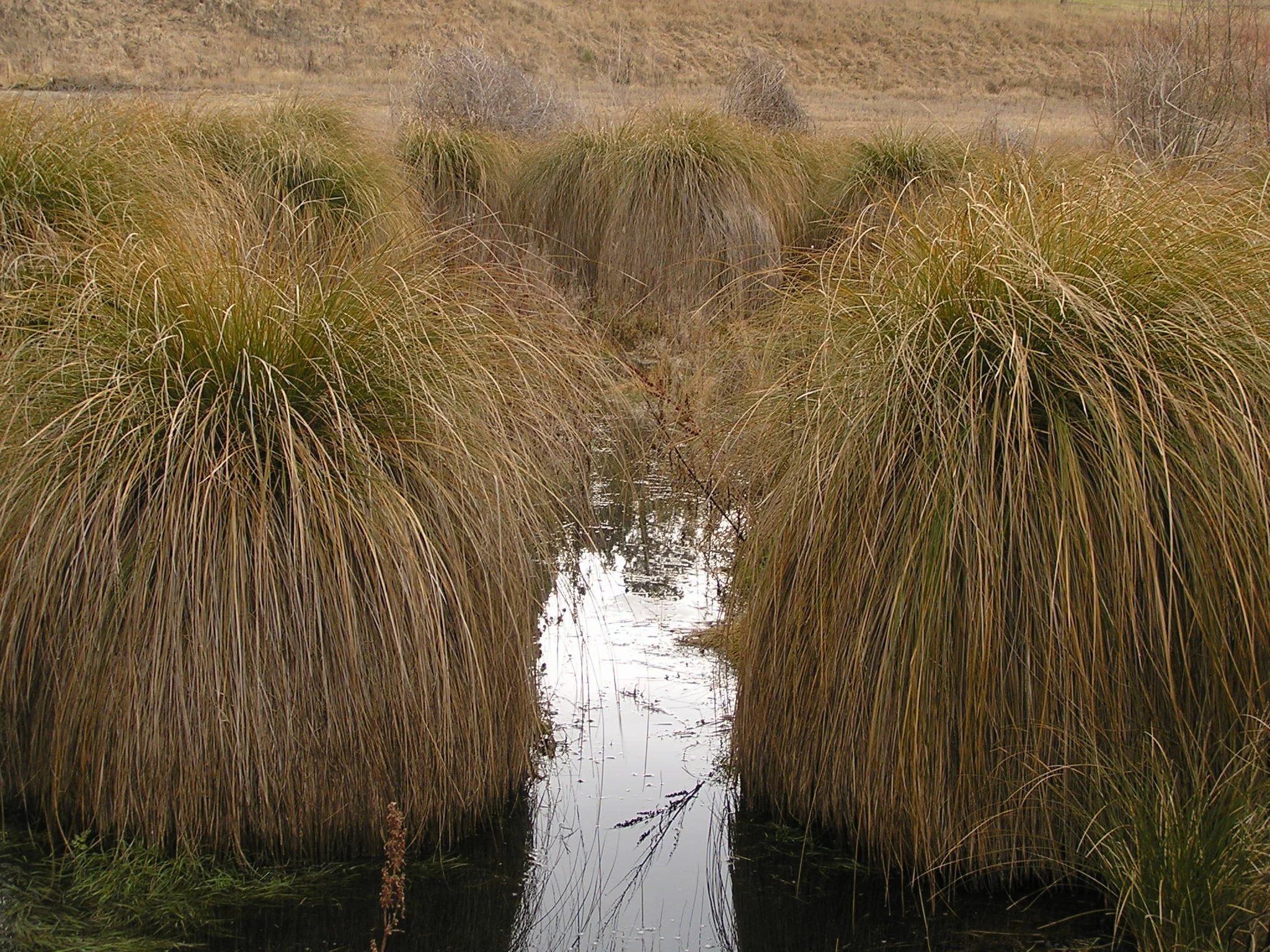
Pūrei | Carex secta
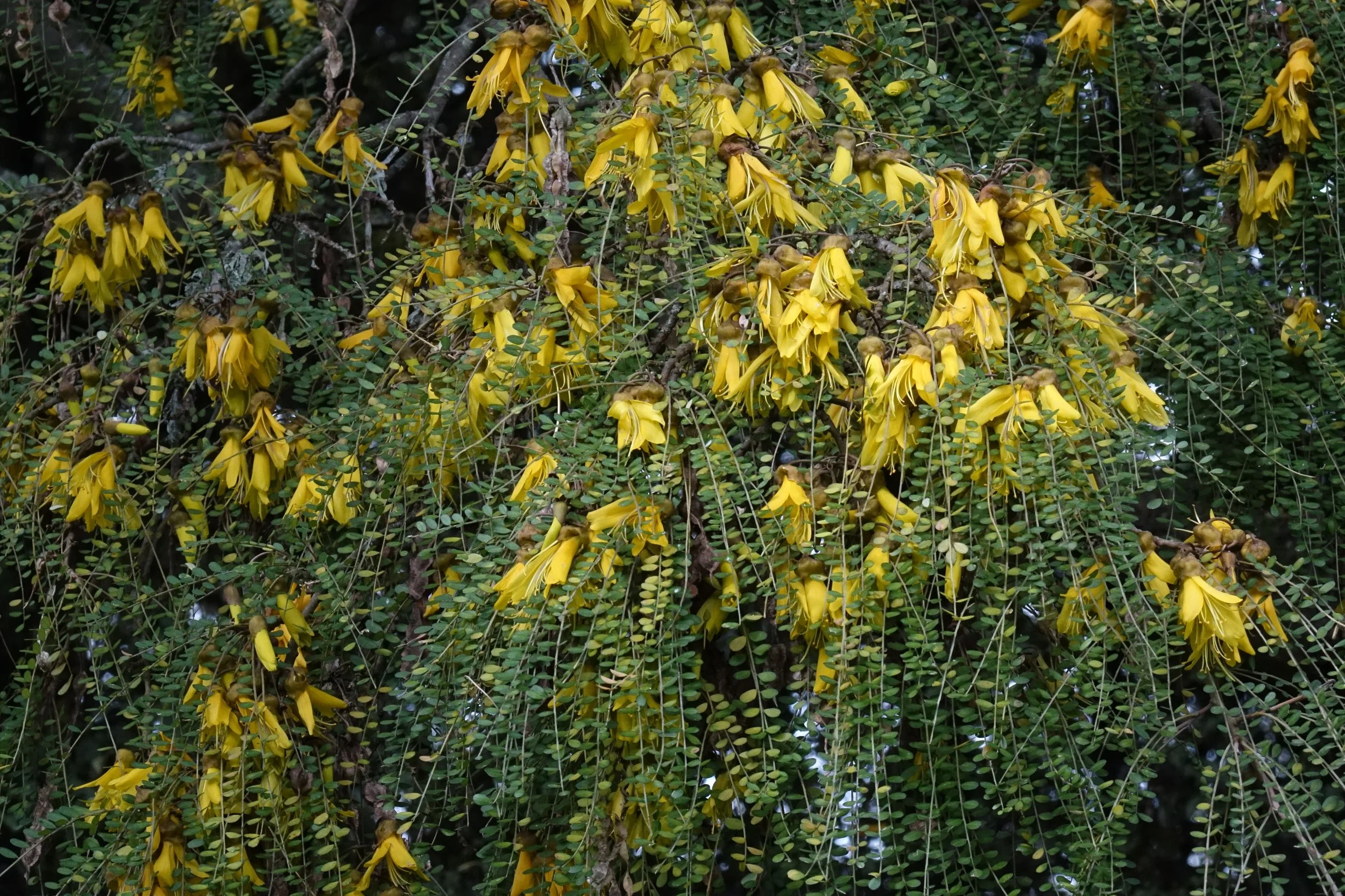
Kōwhai | Sophora microphylla
-
One of our most beautiful flora here at the SPS wetlands is the Kōwhai (sophora microphylla). It is a medium to large plant growing up to 12 metres tall—that's as tall as the big salmon statue in Rakaia! It grows into an airy, delicate tree with small, pinnate (fern-like) leaves, and in spring it produces vibrant yellow flowers. Kōwhai grow on the raised wetland margins, fixing nitrogen and enriching the soil. They are an amazing food source for nectar feeders such as Tūī and Korimako/Bellbird. Māori care deeply for the kōwhai tree. It was special because its super-tough wood was used to build strong tools and make medicine to help sick people heal. As kaitiaki (guardians) of the Shotover Wetlands, we plant kōwhai to help restore native bird populations by providing a source of food for them. The seeds are a beautiful orange and yellow, but don't eat them - they are poisonous!
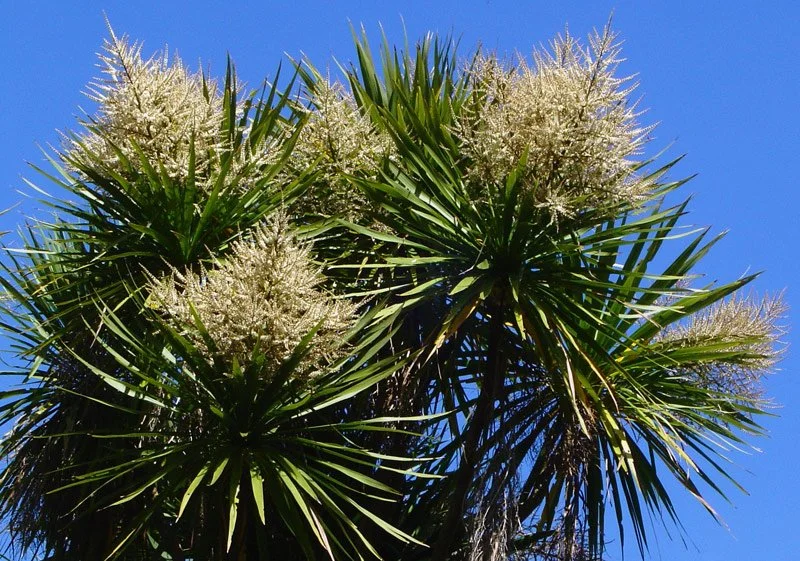
Tī kouka | Cordyline australis
-
Seen country-wide, this palm-like tree is a great source of food for berry-eating native birds and home to the cabbage tree moth.
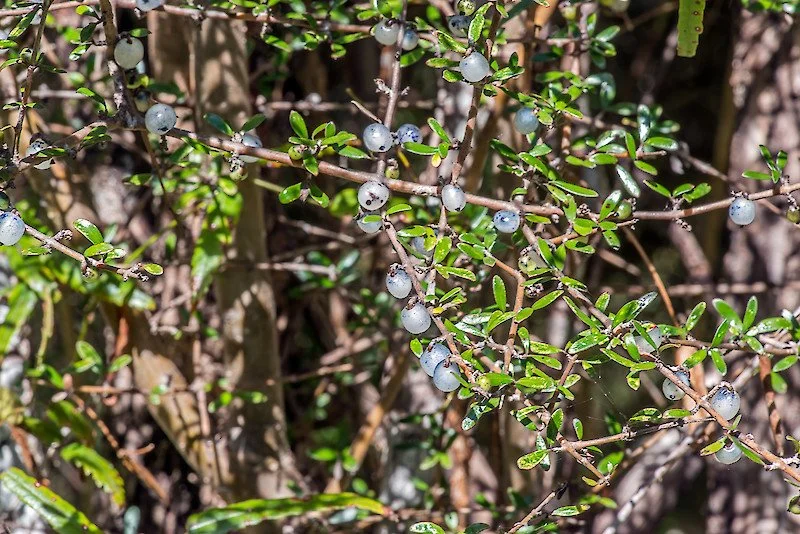
Mingmingi | Coprosma propinqua
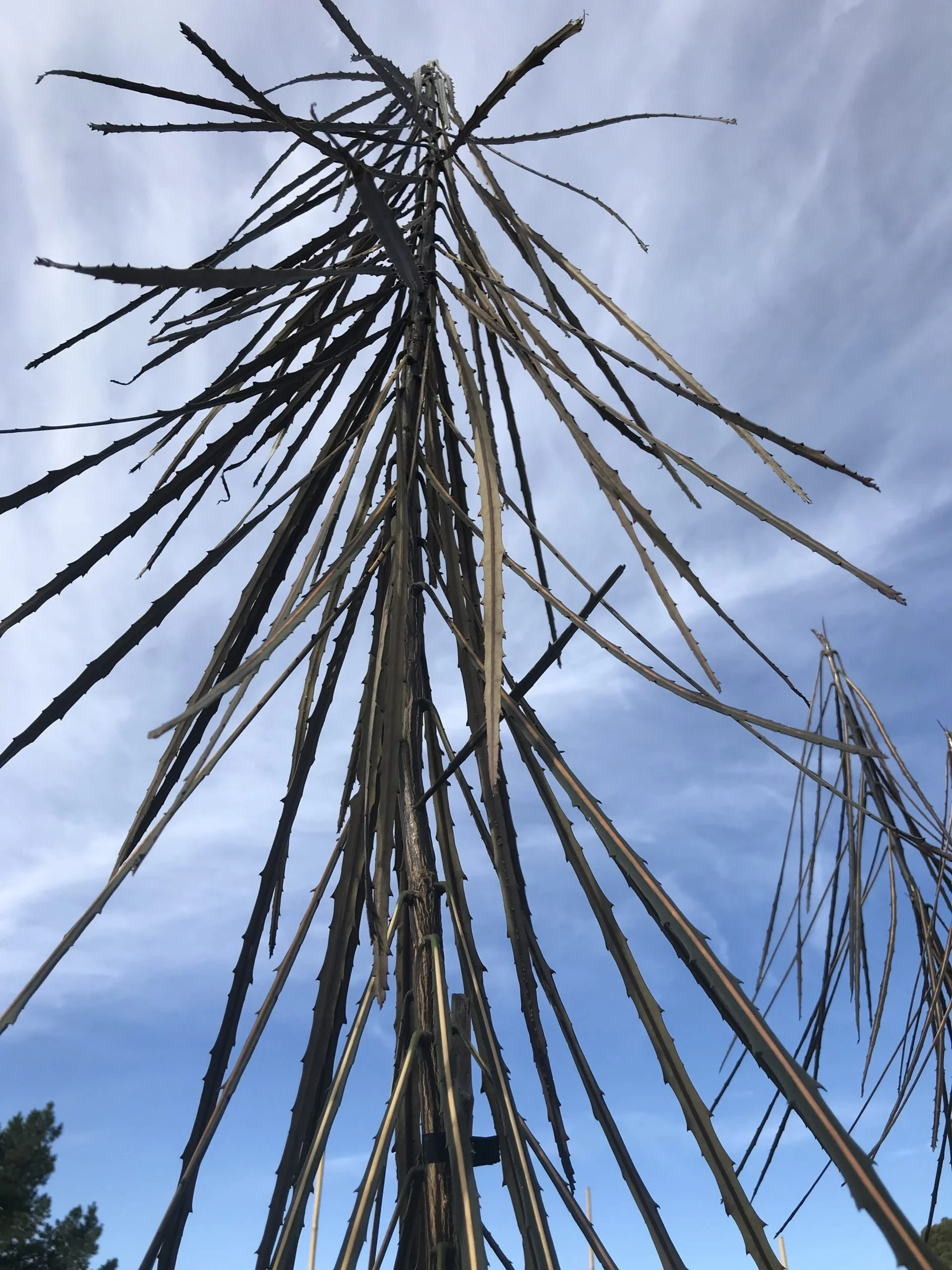
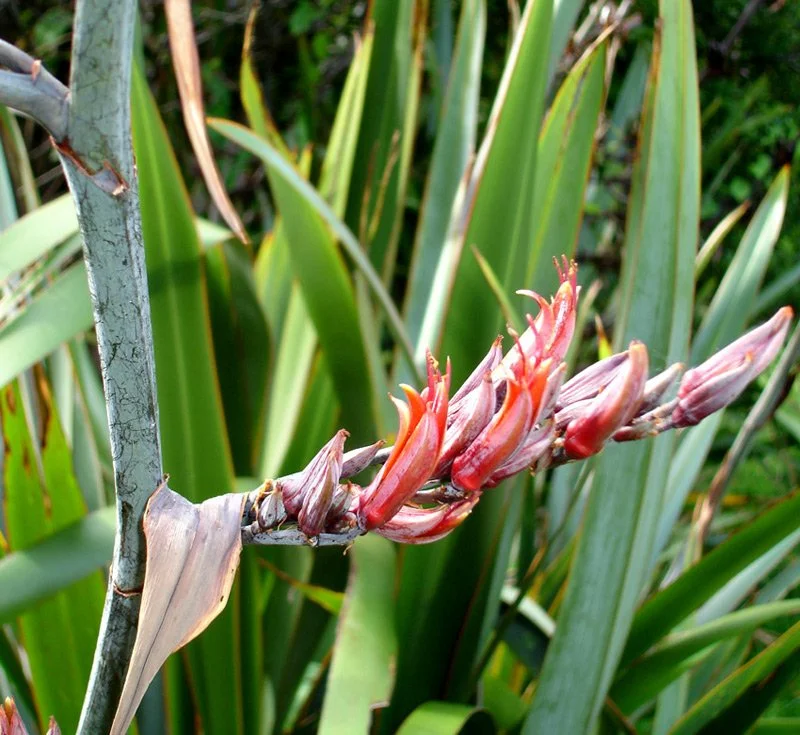
Harakeke | Phormium tenax
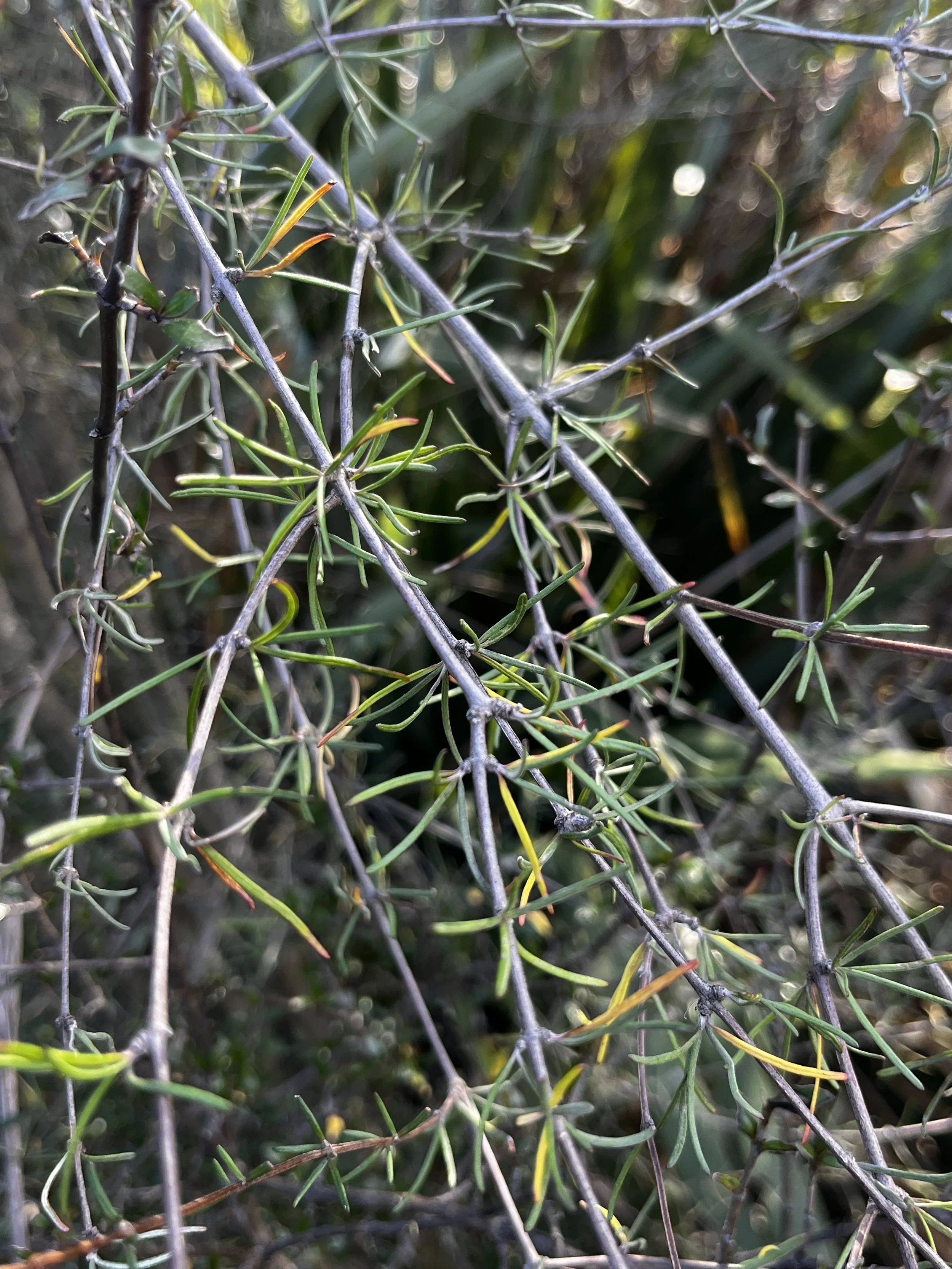
Tree daisy | Olearia lineata
Lancewood | Pseudopanax crassifolius
-
The Lancewood (Pseudopanax crassifolius), known in te reo Māori as Horoeka, is a unique tree found along the drier ridges and forest edges of the Shotover Wetlands. You can recognize young Horoeka by their long, stiff, spiky brown leaves, which change into smoother, shorter green leaves as the tree matures. Horoeka plays a crucial ecological role by providing shelter for small creatures and food for native birds. Traditionally, Māori used its tough juvenile stems to craft bird spears and eel pots, while South Island Māori extracted leaf fibers for rock art paintbrushes and bent the flexible trunks to make tokotoko (ceremonial walking sticks). As kaitiaki of the Shotover Wetlands, we plant and protect the Horoeka to ensure our native biodiversity thrives and preserves a vital piece of local cultural history for future generations.